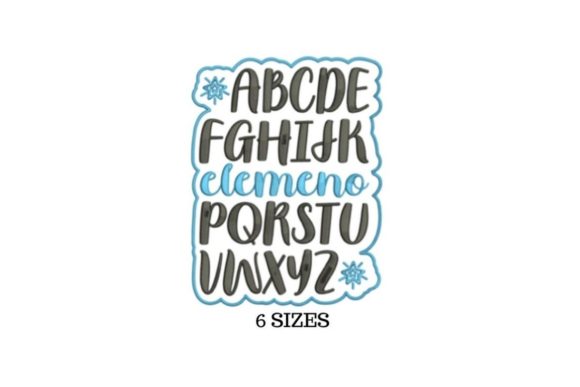
ABCD: A Playful Embroidery Design for Baby Projects
As a designer who has spent countless hours staring at digitized patterns on a screen and even more hours watching needles pierce fabric, I have developed a keen eye for what works in the real world. We often get swept up in the visual appeal of a machine embroidery design on a website, but the true test is how it behaves under the presser foot and how it lands with the end customer. Recently, I took a closer look at ABCD, a funny embroidery creation that promises to stitch out wonderfully on any type of fabric. My goal was not just to admire it, but to evaluate its potential for real project use, specifically within the context of baby showers and children’s apparel.
First Impressions and Visual Personality
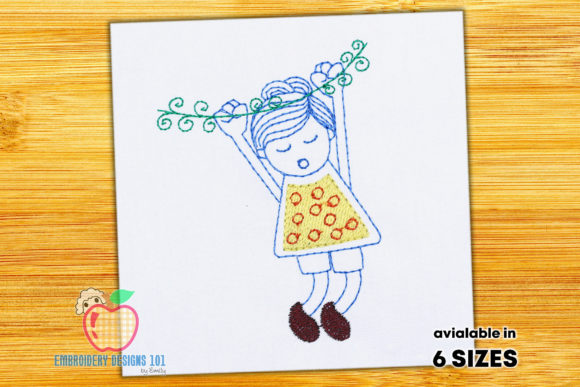
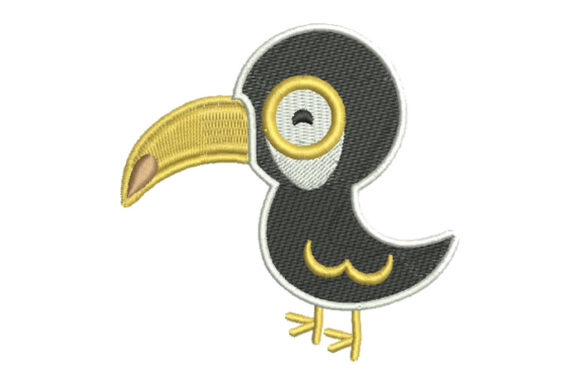
The first thing that strikes you about ABCD is its approachable charm. It does not try to be overly complex or hyper-realistic. Instead, it leans into a playful, whimsical aesthetic that feels right at home in the Boys category, though its appeal is certainly universal. The layout is balanced, avoiding the common pitfall of having elements that are too close together, which can cause thread breaks or puckering. The mood it creates is lighthearted and joyful, making it an ideal candidate for projects meant to elicit smiles.
When I visualize this embroidery file on a product, I do not see it as a standalone piece of art but as a enhancing element. It fits naturally into the narrative of a baby shower gift or a nursery decor item. The simplicity of the design means it relies heavily on clean lines and clear shapes. For an experienced eye, this suggests that the digitizer likely used a combination of satin stitch for borders and fill stitch for larger areas, ensuring that the design remains legible even from a distance.
Real-World Application: The Custom Tote Bag Test
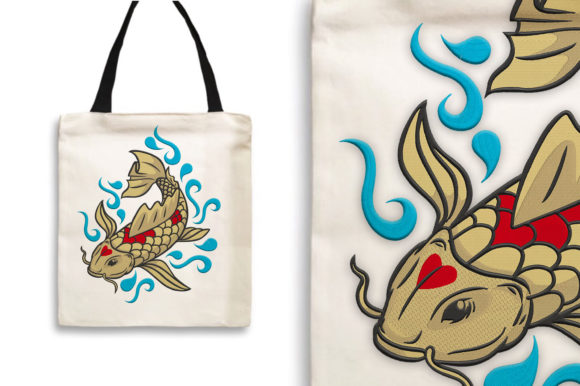
To truly understand the value of ABCD, I imagined a specific scenario: preparing a custom embroidered tote bag for a friend’s baby shower. Tote bags are a staple for Etsy sellers and craft business owners because they are practical, popular, and offer a large canvas for decoration. However, canvas fabric can be tricky. It has a distinct fabric texture that can swallow up fine details if the stitch density is not managed correctly.
In this scenario, ABCD performs admirably. Because it is described as a funny embroidery creation, it adds a layer of personality to what might otherwise be a generic bag. When stitched out, the design serves as a focal point. I would recommend using a cut-away stabilizer to support the weight of the stitches, especially if the tote will be used frequently. The result is a handmade product that feels professional and thoughtful. Customers are drawn to items that feel personal, and a well-executed tote bag design like this can significantly boost perceived value.
Versatility Across Product Lines
Beyond tote bags, the versatility of ABCD is one of its strongest assets. It translates well to sweatshirt embroidery, where the softness of the fleece complements the playful nature of the design. For custom apparel, such as onesies or toddler t-shirts, the design’s scale seems appropriate. It is large enough to be noticed but not so dense that it becomes stiff or uncomfortable against sensitive skin. This is crucial for baby embroidery, where comfort is paramount.
For those running a small shop product line, this design could also work beautifully on embroidered patch applications. Patches are trending, and they allow customers to add a touch of whimsy to jackets, backpacks, or hats. By treating ABCD as a modular design asset, you can expand your product offerings without needing to create entirely new designs from scratch. It fits seamlessly into holiday collections, serving as holiday embroidery for spring celebrations or gender-reveal parties.
Technical Considerations and Cautionary Notes
While ABCD is described as stitching out wonderfully on any type of fabric, a professional designer knows that "any" is a relative term. There are specific situations where caution is required. For instance, when working with stretchy fabrics like jersey knits, the tension must be carefully calibrated. If the stitch density is too high, the fabric may pucker or distort around the edges of the design. Always test on scrap fabric first to gauge how the material reacts.
Another area of concern is small hoop sizes. If you are attempting to place ABCD on a curved surface like a cap, you must ensure that the design fits within the usable area of your cap frame. Curved surfaces can distort straight lines, so a design with strong horizontal or vertical elements needs to be centered perfectly. Additionally, if the design includes tiny lettering or intricate corners, these areas are prone to thread breaks if the needle size or thread quality is not optimal.
Dark fabrics present another challenge. While the design itself may be vibrant, you need to consider thread colors carefully. High contrast is key for visibility. If you are stitching on navy or black, choose bright, bold threads to ensure the funny aspect of the creation is not lost in shadow. Conversely, on light fabrics, avoid threads that are too pale, as they may wash out and lack definition.
Enhancing Brand Value and Customer Trust
For commercial embroidery professionals and digital embroidery file sellers, the quality of the final stitch-out directly impacts brand consistency. A clean, crisp execution of ABCD signals professionalism. It tells the buyer that you care about the details. This builds customer trust, which is essential for repeat business. When a customer receives a personalized gift that looks polished and well-made, they are more likely to leave positive reviews and recommend your shop to others.
Moreover, using a design like ABCD can help differentiate your products in a crowded marketplace. Many sellers offer generic baby items, but a unique, funny design adds character. It makes the finished product memorable. Whether you are creating printable mockup images for your online store or photographing physical items for craft fairs, the visual appeal of this design can drive engagement. It invites the viewer to imagine the joy of giving or receiving such an item.
Practical Designer Notes
- Test Before Production: Always stitch a sample on the exact fabric you plan to use. Check for puckering, thread breaks, and color accuracy.
- Check Licensing: Before selling finished items or digital products featuring ABCD, confirm the license terms. Ensure you have the right to use it for commercial embroidery purposes.
- Optimize Stabilizer: Use the appropriate stabilizer for your fabric type. Tear-away for stable woven fabrics, cut-away for knits and stretchy materials.
- Review Stitch Density: If the design feels too stiff after stitching, consider adjusting the density settings in your software if you have the editable file, or choose a lighter fabric.
- Contrast is Key: Select thread colors that stand out against the background fabric to maintain the clarity and humor of the design.
In conclusion, ABCD is a solid addition to any embroidery collection. It offers a blend of fun and functionality that appeals to both hobbyists and professional Etsy sellers. By understanding its strengths and respecting its technical requirements, you can create beautiful, high-quality items that resonate with customers. Whether you are decorating a baby shower gift or expanding your boutique’s inventory, this design provides a reliable and charming foundation for your next embroidery project.