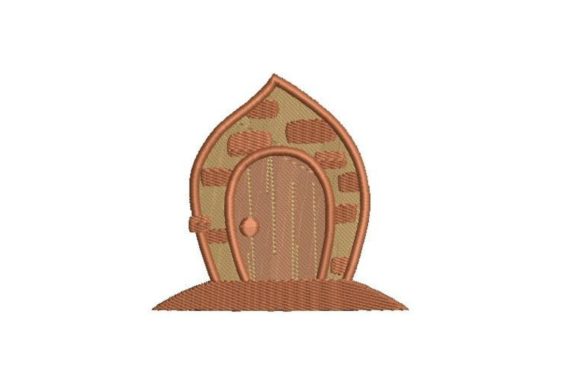
Layered Fairy Door: A Designer’s Review for Small Business Merch
As an embroidery designer who has spent years digitizing and reviewing files for commercial use, I approach every new machine embroidery design with a critical eye. It is not enough for a design to simply look cute on a screen; it must perform under the needle, withstand washing, and elevate the brand it represents. Today, I am reviewing the Layered Fairy Door, a piece from the Fairy Tales category that promises to add a stylish, personalized look to various fabrics. For small business owners, Etsy sellers, and boutique creators, this review focuses on how this design translates from a digital file into a tangible asset for your brand identity.
First Impressions: Visual Personality and Brand Fit
The first thing that strikes me about the Layered Fairy Door is its inherent charm mixed with structural complexity. The term "layered" suggests depth, which in embroidery terms often means careful color changes and potential satin stitch overlaps. Visually, this design feels playful yet elegant, striking a balance that is difficult to achieve. It does not scream "childish" despite its whimsical subject matter; instead, it offers a decorative sophistication that can work for a wide range of audiences.
For a handmade product brand or a creative studio, this aesthetic signals attention to detail. It feels premium rather than mass-produced. When considering your brand identity, ask yourself if this whimsical elegance aligns with your customer base. If you run a bakery, a florist, or a boutique selling artisanal goods, this design communicates warmth and creativity. However, for corporate uniforms or industrial brands, it might be too decorative. The key is context. This design shines where personality is part of the value proposition.
Real-World Applications for Small Business Merch
Let us move beyond theory and discuss where the Layered Fairy Door actually works in a commercial setting. Because this digital embroidery file comes in multiple formats, it offers flexibility, but placement is crucial for professional results.
- Embroidered Patches: This is perhaps the strongest use case. A layered design looks exceptional when backed with twill or felt and merrowed edged. Patches allow you to control the fabric texture and stabilizer perfectly, ensuring the intricate layers do not pucker. You can sell these as standalone accessories or attach them to jackets and bags.
- Tote Bag Design: Canvas tote bags are a staple for small business merch. The sturdy fabric supports the stitch density required for a layered look. Placing the fairy door near the bottom corner or centered on the front creates a subtle yet recognizable brand mark.
- Apron Embroidery: For cafes, bakeries, or craft studios, branded aprons are walking advertisements. The Layered Fairy Door adds a touch of magic to staff uniforms without being overwhelming. Ensure you test on the specific apron fabric, as denim and canvas behave differently than poly-cotton blends.
- Cap Embroidery: This requires caution. Cap fronts are curved and have limited space. If the design includes fine details, they may get lost on the curve. However, if scaled correctly, it can serve as a charming side-panel detail or a small front-center logo for a niche brand.
Technical Considerations and Stitch Performance
When evaluating any embroidery file for production, technical performance is non-negotiable. The description states that this design will stitch out beautifully onto any fabric, but experienced designers know that "any fabric" requires proper preparation. Here are my practical notes for using the Layered Fairy Door in your shop.
Stitch Density and Thread Colors: Layered designs often rely on color contrast to define shapes. You must review the thread color sequence carefully. If the layers are too similar in tone, the depth will vanish. I recommend testing the design in black and white first. If the layers remain distinct in grayscale, the design has good structural integrity. If it looks like a muddy blob, you may need to adjust thread choices or increase contrast in your final product.
Fabric Texture and Stabilizer: The success of this design depends heavily on your choice of stabilizer. For stretchy fabrics like t-shirts, a cut-away stabilizer is essential to prevent distortion of the layered elements. For woven fabrics like tote bags or patches, a tear-away may suffice, but always test first. Textured fabrics can hide minor imperfections, but they can also swallow fine details. Avoid using this design on highly textured fleece unless you are certain the stitch count is high enough to bridge the pile.
Hoop Size and Scaling: Before committing to a large run, confirm the recommended hoop size. While the file formats are versatile, scaling a design up or down significantly can alter stitch density. Enlarging it too much may cause gaps between stitches; shrinking it too much may cause thread breaks due to excessive density. Always stitch a test sample at the exact size you intend to sell.
Brand Identity and Customer Trust
Why does the choice of design matter for your bottom line? Because consistent, high-quality embroidery builds trust. When a customer receives a custom apparel item or a branded gift with crisp, clean stitching, they perceive your business as professional. The Layered Fairy Door, when executed well, becomes a symbol of quality. It shows that you care about the aesthetics of your small business merch.
Furthermore, unique design assets like this help you stand out in crowded marketplaces like Etsy. Instead of using generic clipart, offering merchandise with a distinctive, well-digitized fairy door creates a cohesive visual story. It enhances buyer engagement because it feels exclusive and thoughtfully created. Use this design in your printable mockup galleries to show customers exactly how it looks on different products, reducing hesitation and increasing conversion rates.
Where to Use Caution
While I recommend this design for many applications, there are scenarios where it may struggle. Avoid placing it on areas subject to extreme friction, such as the cuffs of sleeves or the lower back of chairs, unless reinforced. Be wary of using it on dark uniforms if the thread colors are pastel; you may need an underlay or a lighter backing to ensure vibrancy. Also, if your business requires frequent industrial washing, ensure the thread type is polyester or rayon rated for high heat and agitation.
Final Verdict for Commercial Use
The Layered Fairy Door is a strong contender for businesses looking to add a touch of whimsical elegance to their product line. It is not just a decoration; it is a versatile design asset that can enhance patches, totes, aprons, and more. However, its success relies on your technical execution. Check the commercial licensing terms provided with the file to ensure you are compliant for resale. Test on real fabric, choose your stabilizer wisely, and respect the limits of stitch density.
For the embroidery shop owner or handmade brand creator, this design offers a pathway to creating memorable, high-value items. It bridges the gap between playful storytelling and professional craftsmanship. By treating this commercial embroidery file with the respect it deserves—through rigorous testing and thoughtful placement—you can turn a simple fairy door into a powerful tool for brand recognition and customer loyalty.