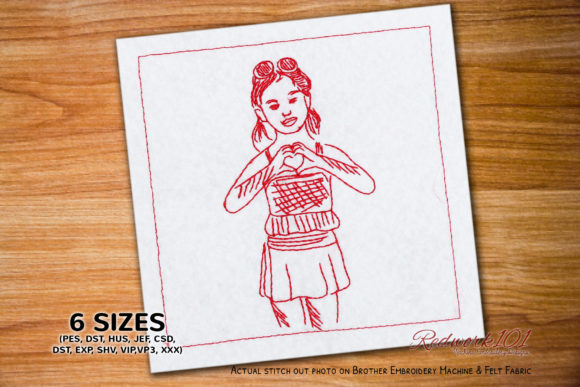
Review: Cute Girl Making a Heart Design
As a designer who has spent countless hours digitizing and testing machine embroidery design files, I have learned that the simplest concepts often carry the most weight in the marketplace. When I first loaded the Cute Girl Making a Heart file into my software, I was not looking for complexity. I was looking for clarity, charm, and stitch efficiency. This particular piece stands out because it captures a universal gesture of affection through clean lines and minimal detail, making it an ideal candidate for a wide range of embroidery project applications.
First Impressions and Visual Appeal
The immediate mood this design creates is one of warmth and innocence. The silhouette of a girl forming a heart shape with her hands is instantly recognizable, which is crucial for quick visual communication in retail settings. For Etsy seller accounts and small shop product lines, recognizability translates directly to engagement. Customers scrolling through feeds do not have time to decipher intricate details; they need to feel an emotional connection within seconds.
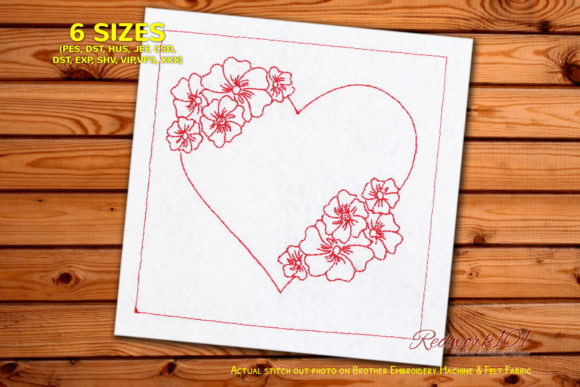
The description notes that this is a redwork style embroidery. In practice, this means the design relies heavily on single-color thread work, likely using running stitches or simple satin accents. This approach is brilliant for maintaining stitching clarity. Unlike dense fill stitches that can pucker lightweight fabrics, redwork allows the texture of the material to shine through. The optional Box Stitch mentioned in the product details suggests versatility, allowing the user to add a subtle border or frame if desired, though the core strength lies in the central figure.
Real-World Application Scenarios
To truly evaluate an embroidery file, I mentally place it on various substrates. Here is how Cute Girl Making a Heart performs in real-life scenarios:
- Sweatshirt Embroidery: This is perhaps the strongest use case. The bold lines of the girl’s outline stand up beautifully against the fuzzy texture of fleece or cotton blends. It works well on the left chest for a subtle look or centered on the back for a statement piece.
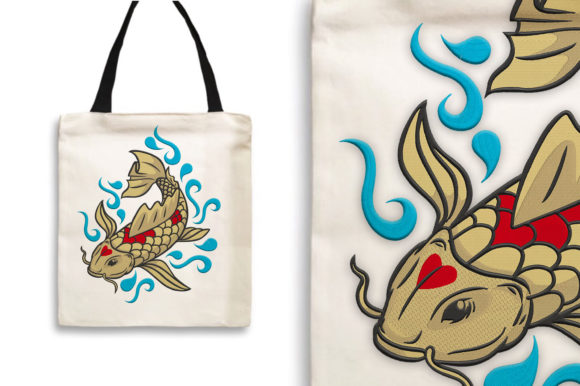
- Tote Bag Design: Canvas bags require designs that are durable and visually striking from a distance. This design’s high contrast and simple geometry make it perfect for a handmade product intended for daily use. It avoids the bulk that heavy applique designs might add to a thin canvas.
- Baby Embroidery: For onesies or bibs, softness is key. Since this design appears to lack dense fill areas, it remains flexible and comfortable against sensitive skin. It serves as an excellent personalized gift option when paired with a name in a complementary font.
- Embroidered Patch: If you plan to create iron-on or sew-on patches, ensure your stabilizer is cut-away to maintain shape. The clear outlines of the girl’s arms and the heart shape will cut cleanly, resulting in a professional-looking custom apparel accessory.
Technical Considerations for Stitching
While the design is charming, practical execution requires attention to detail. Because the prompt mentions an optional Box Stitch, you must decide early in your workflow whether to include it. Adding extra elements increases stitch count and run time. For a holiday embroidery rush season, efficiency matters. I recommend testing both versions on scrap fabric to see which offers better visual balance for your specific hoop size.
Thread color choice is critical here. Redwork traditionally uses red thread on white fabric, but do not feel bound by tradition. Testing the design in black and white mockups can reveal if the contrast is sufficient. If you are stitching on dark fabric, consider using a bright or metallic thread to ensure the heart shape pops. Conversely, on light fabric, a deep burgundy or navy can add sophistication while retaining the sweet theme.
Stabilizer selection cannot be overlooked. Even with low-density stitching, stretchy fabrics like jersey knits require a cut-away stabilizer to prevent distortion during washing. For woven fabrics like tea towels or aprons, a tear-away may suffice, but always test first. The goal is to maintain the integrity of the girl’s posture and the symmetry of the heart.
Navigating Fabric and Hoop Constraints
There are situations where this design should be used carefully. If you are working with very small hoop sizes, ensure the minimum dimensions of the file fit comfortably without hitting the hoop edges. Curved surfaces, such as caps or hats, present a challenge. The horizontal span of the arms making the heart might distort if the cap panel is too narrow. In such cases, scaling down the design might compromise the clarity of the fingers and hands.
Textured fabrics can also hide fine details. If the thread colors blend too much with the fabric texture, the definition of the hands forming the heart may get lost. Always aim for high contrast. Additionally, avoid placing this design over seams or thick layers, as the needle deflection could cause skipped stitches in the continuous lines of the redwork style.
Commercial Value and Brand Consistency
For craft business owners, consistency builds trust. Using a cohesive set of design assets helps establish brand identity. Cute Girl Making a Heart fits seamlessly into a Valentine S Day collection, but its appeal extends beyond February. It works for anniversaries, mother-daughter gifts, or general expressions of love. This versatility increases the lifespan of your inventory.
When creating printable mockup previews for your online store, show the design on multiple products. A digital preview on a plain white background does not convey the tactile quality of the finished product. Show it on a cozy sweater, a sturdy tote, or a soft pillow cover. This helps buyers visualize the item in their own lives, boosting conversion rates.
Final Designer Notes
Before committing to a large production run or listing this as a commercial embroidery asset, take these steps:
- Verify Licensing: Confirm whether the file allows for unlimited physical sales or if there are restrictions. Never assume; always read the terms provided with the digital embroidery file.
- Test Stitch Density: Run the design on a similar weight fabric to your final product. Check for puckering or thread breaks.
- Check Color Contrast: Ensure the chosen thread color stands out against the fabric background. Poor contrast kills the impact of simple line art.
- Inspect Small Details: Zoom in on the hands and face area. Are the stitches connecting properly? Is there any unnecessary jumping that could cause loose threads?
In conclusion, Cute Girl Making a Heart is a thoughtful, versatile addition to any designer’s library. It balances aesthetic appeal with technical simplicity, making it suitable for both novice hobbyists and experienced apparel decorators. By respecting the material constraints and focusing on clean execution, you can transform this simple digital file into a cherished personalized gift or a best-selling small shop product.