Reviewing Baby Elephant and Moon for Craft Fairs
As an embroidery designer who has spent countless weekends behind a booth table, I know that not every design translates from screen to sales. When I first pulled up the Baby Elephant and Moon file, my immediate reaction was one of relief. In a market saturated with overly complex or trendy designs that fade quickly, this piece offers something timeless: pure, unadulterated charm. It does not try too hard. It simply exists as a sweet, comforting image that appeals directly to the heart of the nursery and children’s decor market.
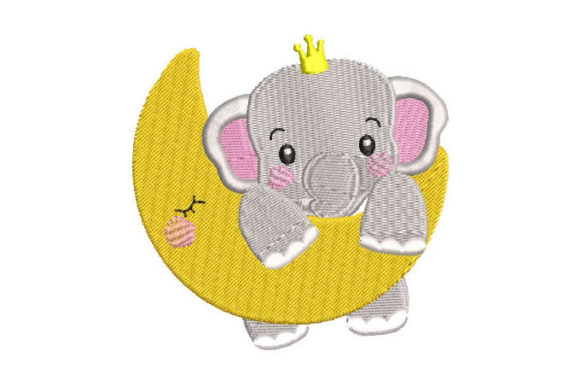
The visual language here is soft and inviting. The combination of a baby elephant with a bright, cute moon creates a narrative of bedtime calm and gentle dreams. For those of us running small shops or selling on Etsy, this emotional connection is vital. Customers do not just buy thread on fabric; they buy the feeling the product gives them. This design screams "cozy," making it an ideal candidate for any Bed related category, from crib sheets to comforters.
First Impressions and Market Fit
When evaluating a new machine embroidery design, I look at its versatility. Is it too childish for adult buyers? Is it too simple to justify a premium price? Baby Elephant and Moon strikes a delicate balance. It is undeniably cute, which makes it perfect for baby showers and new parent gifts, but the simplicity of the moon element adds a touch of modern minimalism. It avoids the cluttered look that can sometimes plague children’s Embroidery.
In a craft fair setting, this design stands out because it is instantly recognizable. A customer walking past your booth will register the elephant shape within seconds. There is no need for explanation. This immediate comprehension is crucial for impulse buys. Whether you are placing it on a tote bag or a pillow cover, the design communicates warmth and safety, two emotions that drive purchasing decisions in the handmade sector.
Product Applications That Sell
To maximize the potential of this digital embroidery file, you must choose the right canvas. Not every product benefits from this specific aesthetic. Here is where I would place this design for maximum impact:
- Tote Bag Design: A natural cotton tote with this motif becomes an instant hit for library visits or diaper bags. The large surface area allows the design to breathe.
- Apron Embroidery: Think of a child’s cooking apron or a "mommy and me" set. The whimsical nature fits perfectly here.
- Tea Towel Embroidery: This is a high-margin item. A simple linen towel with the elephant in the corner elevates a basic kitchen staple into a giftable handmade product.
- Embroidered Patch: If the design scales down well, patches are excellent for adding value to plain denim jackets or backpacks.
- Pillow Covers: As mentioned in the product description, this is wonderful for bedroom decor. A square pillow with this central motif anchors a nursery theme.
Avoid placing this on items that require rugged durability unless you reinforce the stitching heavily. The charm lies in its delicacy. It is best suited for items that are touched gently, like pajamas or bedsheets, rather than heavy-duty workwear.
Production Practicalities for Small Shops
For the Etsy seller or boutique maker, production speed is money. One of the strongest assets of Baby Elephant and Moon is its likely efficiency. While I cannot confirm the exact stitch count without seeing the file metadata, the description suggests a clean, uncomplicated layout. This usually translates to faster run times on the machine, allowing you to produce more units in less time.
However, you must be mindful of stitch density. If the elephant’s body is filled with solid satin stitches, it may pull on lightweight fabrics. Always test on scrap fabric first. Check how the thread colors interact. A pastel blue elephant against a white background is classic, but have you considered a sage green or dusty rose? These trending colors can make your craft fair product feel more contemporary and less generic.
Another critical factor is the hoop size. Ensure the design fits comfortably within your standard hoops without requiring excessive re-hooping, which slows down batch production. If the design is large, consider using a magnetic frame system to speed up the process for multiple items like tote bags.
Navigating Technical Challenges
Even the cutest design can fail if technical details are ignored. Here are careful-use notes for this specific motif:
- Fabric Texture: Avoid highly textured towels where small details might get lost. The moon’s brightness needs a smooth or medium-weave fabric to pop.
- Dark Fabric: If embroidering on navy or black, ensure you use high-contrast thread colors. You may need to add a underlay or adjust the digitizing to prevent the dark fabric from showing through lighter threads.
- Curved Surfaces: Embroidering on caps requires caution. The elephant’s shape might distort on a curved brim. Keep the design centered and avoid edges.
- Small Lettering: If you add text like "Sweet Dreams," ensure the font is bold enough. Tiny lettering often merges after washing.
Always use the right stabilizer. For knit fabrics like pajamas, a cut-away stabilizer is non-negotiable to prevent puckering. For woven tea towels, a tear-away might suffice, but test for stability after washing.
Boosting Visual Appeal and Brand Consistency
Your booth display tells a story. Using Baby Elephant and Moon across a range of products creates a cohesive brand identity. Imagine a table with matching pillow covers, tote bags, and onesies all featuring this same motif. This repetition signals professionalism and intent. It shows customers that you are a serious small shop product creator, not just someone hobby-stitching in spare time.
Photography is equally important. This design photographs beautifully because of its clear shapes and likely soft color palette. Create a printable mockup or stage real-life photos in a nursery setting. Show the item in use. A pillow on a crib or a tote bag held by a parent adds context that drives engagement. These design assets are crucial for your online listings.
Final Designer Notes
Before you commit to a large batch of commercial embroidery products, do your due diligence. Verify the commercial licensing terms of the embroidery file. Just because a design is cute does not mean it is free to sell. Confirm that you have the rights to use it on finished goods for sale.
Check the spacing between the elephant and the moon. Is there enough breathing room? Does the composition feel balanced? Run a test stitch on the actual fabric you plan to sell. Look for thread breaks or nesting issues. Once you are confident in the quality, this design can become a staple in your inventory. It is the kind of reliable, heartwarming imagery that builds customer loyalty and keeps them coming back for more handmade treasures.