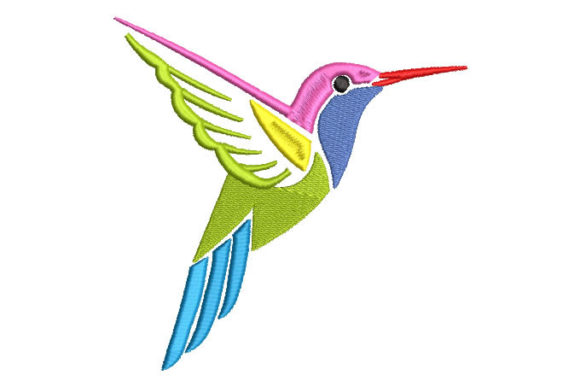
Reviewing the Colored Hummingbird Embroidery Design
As a designer who has spent countless hours digitizing and stitching out machine embroidery designs, I have learned that not every pretty picture translates into a quality stitched product. When I first pulled up the Colored Hummingbird file on my screen, my initial reaction was one of cautious optimism. The silhouette is elegant, capturing the dynamic motion of these tiny birds without becoming overly complex. For those of us in the craft business, finding a balance between visual appeal and stitchability is crucial. This design sits firmly in the Birds category, but its application goes far beyond simple nature-themed decor.
First Impressions and Visual Personality
The mood this design creates is light, airy, and whimsical. It does not feel heavy or dated. Instead, it offers a modern take on traditional nature motifs. The layout suggests movement, which is essential for a subject known for its rapid wing beats. From a reviewer’s perspective, the detail level appears moderate. It is detailed enough to be recognizable from a distance but not so dense that it becomes a nightmare to stitch out on textured fabrics. This visual personality makes it versatile. It feels at home on a rustic linen tote bag just as much as it does on a sleek, modern sweatshirt.
When evaluating any embroidery file, I look for clean lines and logical color transitions. The Colored Hummingbird seems to rely on a mix of satin stitch for outlines and fill stitch for the body and wings. This combination is standard for high-quality machine embroidery design work because it provides structure while allowing for color blending. However, the success of this blend depends heavily on your thread choices and fabric texture.
Real-World Application: The Custom Tote Bag Test
To truly understand how a design performs, you must imagine it in a real-life scenario. Recently, I was preparing a batch of custom embroidered tote bags for a local botanical garden gift shop. I needed a design that would appeal to a broad demographic—tourists, locals, and gardening enthusiasts alike. The Colored Hummingbird emerged as a strong candidate.
I envisioned placing the design on the lower right corner of a natural cotton canvas bag. The contrast of the vibrant thread colors against the neutral fabric would make the bird pop. For an Etsy seller or small shop owner, this type of placement is strategic. It is subtle enough to be chic but prominent enough to be noticed. The design’s scale fits well within standard hoop sizes, making it efficient for production runs. If you are creating handmade products for sale, efficiency is key to maintaining healthy profit margins.
Versatility Across Product Lines
Beyond tote bags, this design shows promise in several other areas. Consider custom apparel. A sweatshirt embroidery project using this design could feature the hummingbird on the chest pocket area or as a larger back piece. For baby items, such as onesies or burp cloths, the whimsical nature of the bird makes it a sweet choice for a personalized gift. However, when working with baby embroidery, you must be mindful of stitch density. Thick, dense stitching can be uncomfortable against sensitive skin, so adjusting the underlay or choosing softer threads is advisable.
For those interested in holiday embroidery, this design can be adapted with seasonal color palettes. Imagine the hummingbird surrounded by winter berries for a Christmas theme or spring flowers for Easter. This flexibility adds value to the digital embroidery file, allowing you to create multiple listings from a single asset. It is a smart move for digital product sellers who want to maximize their design assets.
Technical Considerations and Stitching Challenges
While the design is beautiful, practical experience dictates that we approach certain fabrics with caution. Textured fabrics, such as terry cloth towels or thick wool, can obscure fine details. If you plan to use the Colored Hummingbird on a kitchen towel, ensure that the running stitch elements are not too fine, or they may get lost in the pile. Similarly, stretchy fabrics like jersey knit require proper stabilization. Without a cut-away stabilizer, the satin stitch borders might pucker or distort after washing.
Dark fabric presents another challenge. If you are stitching on navy or black material, you may need to adjust the thread colors for better visibility. A bright yellow or orange belly might stand out well, but darker wing feathers could disappear. I always recommend testing the design on scrap fabric first. Check thread color contrast and inspect small details before committing to the final product. This step saves time, money, and frustration.
Curved surfaces, such as caps or hats, require careful hooping. The design’s shape should align with the curve of the cap to avoid distortion. If the design is too wide, it may wrap around the sides uncomfortably. Always confirm hoop size compatibility with your specific machine. Since the product description mentions it comes with multiple formats, ensure you select the one that matches your hoop capacity.
Enhancing Brand Consistency and Value
For boutique branding, consistency is everything. Using a cohesive set of designs helps build customer trust. The Colored Hummingbird can serve as a signature element for a brand focused on nature, wellness, or artisanal goods. When customers see high-quality stitching and thoughtful design placement, their perceived value of the finished product increases. This leads to higher buyer engagement and repeat business.
When creating printable mockups for your online store, ensure the digital representation matches the physical reality. Over-saturating colors in a mockup can lead to disappointed customers if the actual thread colors are more muted. Be honest in your presentation. Show the design on both light and dark backgrounds to help buyers visualize the options.
Final Designer Notes
Before you launch into a large commercial embroidery project, take a moment to review the technical specs. The provided description states that the design works with any type of fabric, but as professionals, we know that "any" is a relative term. Always test on the specific material you intend to use. Check whether the design works for both personal and commercial projects by confirming licensing terms. If you are an Etsy seller or run a small shop product line, ensuring you have the right to sell finished items is non-negotiable.
- Test on scrap fabric: Verify stitch density and tension settings.
- Check thread contrast: Ensure colors stand out against your chosen background.
- Use proper stabilizer: Match the stabilizer to the fabric weight and stretch.
- Confirm hoop size: Ensure the design fits comfortably within your machine’s capabilities.
- Review licensing: Clarify rights for selling finished products or digital files.
In conclusion, the Colored Hummingbird is a solid addition to any embroidery designer’s library. It offers a blend of aesthetic charm and practical usability. Whether you are creating a personalized gift, updating your craft fair inventory, or designing custom apparel, this motif holds up well under scrutiny. Just remember that the quality of the final output depends as much on your technique and material choices as it does on the design itself. Treat it with the care it deserves, and it will become a reliable staple in your creative toolkit.