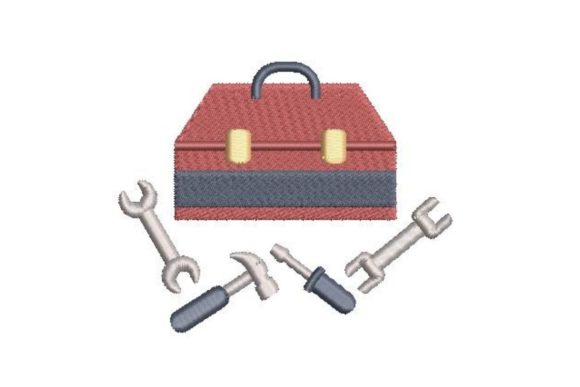
Toolbox Embroidery: A Designer’s Review for Boutique Sweatshirts
As an embroidery designer who has spent years refining digitizing techniques for small clothing brands, I approach every new machine embroidery design with a critical eye. It is not just about whether the file runs; it is about how the final stitch-out elevates the garment. Recently, I evaluated Toolbox, a classic design intended to signify occupation and craftsmanship, for an upcoming limited sweatshirt drop for a boutique brand. The goal was simple: create a premium, workwear-inspired collection that feels authentic rather than costume-like. Here is my professional assessment of how this design performs in a real-world commercial setting.
First Impressions: Mood and Aesthetic Appeal
The first thing that strikes you about Toolbox is its inherent narrative. In the current market, consumers are drawn to items that tell a story of durability and skill. This design captures that essence perfectly. It does not feel overly cute or playful; instead, it leans into a rustic, bold aesthetic that resonates with the modern appreciation for handmade quality. When viewing the digital preview, the layout appears balanced, suggesting a sturdy structure that will hold up well on heavier fabrics.
For a boutique brand, visual recognition is key. This design offers a clear silhouette that is instantly recognizable even from a distance. It avoids the clutter that often plagues complex embroidery files, opting instead for a cleaner look that reads as premium. Whether you are aiming for a minimal vibe or a more decorative statement piece, the versatility of this motif allows it to adapt. It feels substantial enough to stand alone as a chest logo or impactful enough to anchor a larger back design.
Application on Sweatshirts and Hoodies
When preparing a sweatshirt embroidery project, fabric choice dictates everything. I tested the concept of Toolbox on various neutral sweatshirts, ranging from deep charcoal to soft oatmeal. On dark fabric, the design demands high-contrast thread colors. A bright metallic gold or a crisp white thread can make the toolbox icon pop, creating a striking visual against the matte texture of cotton fleece. Conversely, on pastel colors, using tonal stitching—such as a slate grey on a light blue hoodie—creates a sophisticated, understated look that appeals to customers seeking subtle branding.
Placement is another crucial consideration. For an oversized hoodie design, placing Toolbox on the left chest creates a classic, uniform-inspired look. This positioning is ideal for custom apparel that aims to look like official workwear without being restrictive. However, do not overlook the potential for sleeve accents. A smaller version of the design on the cuff or upper arm adds a unique detail that increases the perceived value of the handmade product. For a bold statement, scaling it up for a back placement transforms the garment into a canvas, perfect for lifestyle product photography where the back view is often featured.
Technical Considerations for Commercial Use
From a technical standpoint, any Etsy seller or small shop owner must consider the mechanics of the stitch-out. While the product description notes that this digital embroidery file comes with multiple formats, it is vital to check the specific hoop size requirements before production. A design intended for a working uniform might be digitized for a larger hoop, but shrinking it too much for a small chest pocket can compromise readability. Always review the preview at actual size to ensure the details remain sharp.
Stitch density is another factor that determines the longevity of your finished product. Sweatshirts are thick, cozy seasonal apparel, but they are also prone to stretching. If the stitch density is too high, the fabric may pucker, ruining the clean lines of the toolbox shape. I recommend using a cut-away stabilizer for these garments to provide ongoing support after washing. This ensures that the embroidery remains flat and durable, maintaining the professional look that builds buyer trust.
Furthermore, consider the fabric texture. Fleece and French terry have different pile heights. A design with fine satin stitches might get lost in a high-pile fleece, whereas fill stitches will stand out more clearly. Testing a sample on your specific blank stock is non-negotiable. This step prevents wasted materials and ensures that the commercial embroidery meets your quality standards before you list it as a small shop product.
Enhancing Brand Identity and Value
Incorporating Toolbox into your collection does more than just decorate a garment; it strengthens your brand identity. For creative entrepreneurs, consistency in design language helps customers recognize your work. If your brand focuses on durability, craft, or authenticity, this motif reinforces those values visually. It signals to the customer that the item is made with care, aligning with the ethos of the Work category.
This design also enhances the unboxing experience and social media presence. When you create printable mockup previews or take photos for your Etsy listings, a well-executed embroidery detail draws the eye. It suggests higher quality than a printed graphic, justifying a higher price point. Customers are often willing to pay more for Embroidery because it is tactile and permanent. By offering this design on premium blanks, you elevate the perceived value of your entire inventory.
Final Verdict for Designers and Makers
Ultimately, Toolbox is a strong contender for any designer looking to expand their workwear-inspired line. It bridges the gap between functional uniform aesthetics and fashionable streetwear. However, success lies in the execution. Pay close attention to the provided design assets and ensure you select the correct file format for your machine. Check the recommended thread colors to see if they align with your brand palette, or be prepared to customize them.
Remember, while this design is versatile, it is not one-size-fits-all. Adapt the scale and placement to suit the specific cut of your sweatshirts. Whether you are creating a cohesive line for a boutique brand or adding unique items to your handmade shop, this design offers the structural integrity and visual appeal needed for commercial success. By treating each stitch with intention and respecting the material, you can transform a simple icon into a signature element of your apparel collection.
Before starting your next production run, double-check the license terms included with the file to ensure compliance for commercial use. With proper preparation and a keen eye for detail, Toolbox can become a staple in your portfolio, appealing to customers who value both style and substance in their everyday wear.