Cherries: A Sweet Seller for Your Next Craft Fair
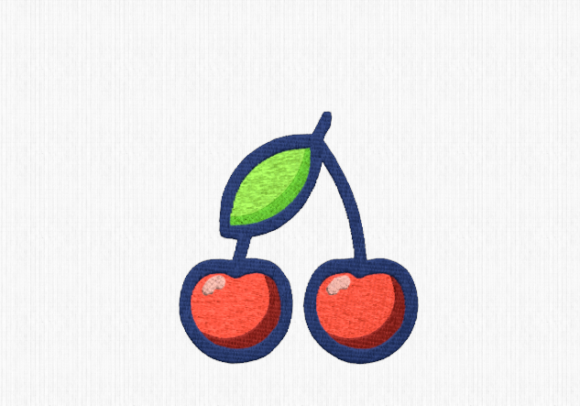
As an embroidery designer who has spent countless weekends behind a booth table, I know that the difference between a browsing customer and a buying customer often comes down to visual impact. When I first loaded the Cherries machine embroidery design into my software, my immediate reaction was one of delight. This is not just another fruit motif; it is a strategic asset for any handmade business looking to inject personality into their inventory. The description promises a "bright or cheeky decoration," and in the world of craft fair products, cheeky sells. It stops people in their tracks.
First Impressions and Market Appeal
The aesthetic of Cherries leans heavily into the popular cottagecore and modern farmhouse trends, but with a playful twist that prevents it from feeling too rustic or dated. It feels fresh, vibrant, and universally appealing. For an Etsy seller or a boutique maker, this versatility is crucial. You are not limiting yourself to a single niche. This design works equally well on a sophisticated linen napkin for a wedding registry gift or on a canvas tote bag for a college student. The bold reds and greens inherent in cherry imagery provide high contrast, which is essential for catching the eye in a crowded marketplace.
When evaluating this as a craft fair product, I look for designs that communicate their theme instantly. Customers do not have time to decipher complex abstract art while walking past your table. Cherries communicates joy and summer freshness immediately. It taps into the emotional connection people have with Food themes—nostalgia, comfort, and sweetness—without being overly literal or kitschy.
Strategic Product Placement
To maximize sales, you must place the right design on the right substrate. Here is how I would deploy Cherries across a typical handmade inventory:
- Tote Bag Design: This is arguably the strongest application. A large-scale placement on a natural cotton canvas tote creates a statement piece. The sturdy fabric holds the stitches well, and the design becomes the focal point of the bag.
- Apron Embroidery: Kitchen textiles are perennial bestsellers. Placing the cherries on the bib of a half-apon or near the pocket of a full apron adds a charming detail that suggests the item is both functional and decorative.
- Tea Towel Embroidery: For a more subtle approach, stitch a smaller version on the corner of a waffle-weave or flour sack towel. This makes for an excellent add-on sale or gift-with-purchase item.
- Embroidered Patch: If the design scales down well, turning it into an iron-on or sew-on patch allows customers to customize their own denim jackets or backpacks. This expands your market to those who prefer DIY customization.
- Caps and Hats: A small cluster of cherries on the side panel or front of a dad hat can be very trendy. However, this requires careful attention to the curve of the cap and the stability of the fabric.
Production Practicalities for Small Shops
For those of us running a small shop product line, efficiency is key. We need designs that are repeatable and reliable. Cherries appears to be designed with production in mind. The shapes are organic but defined, which usually translates to manageable stitch paths. However, before you commit to batch production, there are critical technical checks you must perform.
First, consider the stitch density. Fruit designs can sometimes become too dense in the center of the fruit to achieve a solid fill. If the density is too high, it can cause puckering, especially on lighter fabrics like shirts or thin towels. Always test on scrap fabric that matches your final product material. Second, review the thread colors. The vibrancy of the red is non-negotiable here. Use a high-sheen rayon or polyester thread to make the cherries pop against matte cotton or linen backgrounds.
You must also verify the hoop size requirements. The product description notes that the digital embroidery file comes with multiple formats, but it cuts off before specifying sizes. Do not assume. Check the vendor’s site to ensure the design fits your standard 4x4 or 5x7 hoops if you are doing high-volume small items, or larger hoops if you are focusing on tote bags and pillow covers.
Navigating Fabric and Texture Challenges
One of the biggest hurdles in commercial embroidery is dealing with difficult textures. The description suggests stitching on towels, shirts, or blankets. Each of these presents unique challenges.
Fabric texture plays a huge role in the final look. On a plush blanket, small details can get lost in the pile. If you choose to embroider Cherries on a blanket, ensure the design is large enough to remain visible. Conversely, on a smooth shirt, every stitch imperfection will show. Using the correct stabilizer is vital. For knits like t-shirts, use a cut-away stabilizer to prevent distortion after washing. For woven towels, a tear-away might suffice, but a water-soluble topping can help keep stitches from sinking into the loops of the towel.
Dark fabrics require special consideration. If you want to offer black tote bags or navy aprons, you may need to adjust the underlay stitches or add a white backing to ensure the red cherries do not look muddy. Always create at least one real mockup on dark fabric before listing it as a available option in your store.
Boosting Brand Consistency and Visual Value
Beyond the technical aspects, Cherries serves as a powerful tool for brand building. If your brand identity is cheerful, bright, and handcrafted, this design reinforces that message. It adds perceived value to a simple handmade product. A plain white tea towel might sell for $8, but the same towel with a perfectly stitched, vibrant cherry design can sell for $18 or more. The embroidery transforms a commodity into a curated gift.
For online listings, this design photographs beautifully. The round shapes and bright colors create natural focal points in flat-lay photography. Use props like fresh fruit, wooden cutting boards, or gingham cloth to enhance the printable mockup aesthetic. These design assets help customers visualize the product in their own homes, increasing conversion rates.
Final Designer Notes
Before you launch Cherries as part of your finished product lineup, take these final steps:
- Check Licensing: Confirm that the license included with the digital embroidery file allows for commercial use. Most designers do, but always read the terms to protect your business.
- Test Scaling: Stitch the design at its smallest intended size (e.g., on a patch) and its largest (e.g., on a tote). Ensure clarity is maintained at both extremes.
- Thread Matching: Create a physical color card. Show customers exactly which shades of red and green you use so they know what to expect.
- Batch Efficiency: Plan your hooping strategy. Can you multi-hoop this design? If so, you can produce twice as many units in half the time, significantly increasing your profit margin.
In conclusion, Cherries is more than just a cute motif; it is a versatile, high-impact addition to any embroidery business. Whether you are selling at a local weekend market or shipping globally via Etsy, this design offers the perfect blend of whimsy and professionalism. By paying attention to fabric choice, stabilizer selection, and strategic product placement, you can turn this simple fruit design into a staple bestseller for your shop.