Cute Pineapple: A Summer Embroidery Review
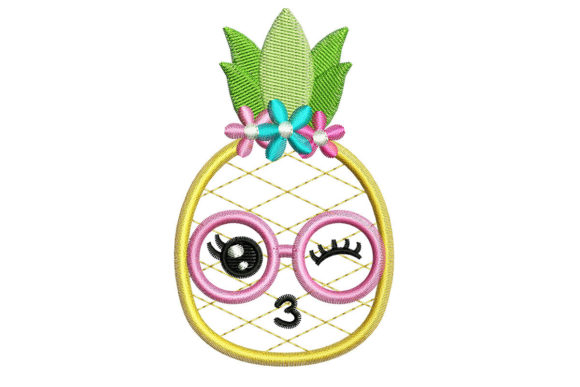
As an embroidery designer who has spent countless weekends behind a craft fair table, I have learned that success is not just about the quality of your stitches. It is about stopping power. When a potential customer walks down a crowded aisle, you have less than three seconds to catch their eye. This is why I am taking a close look at the Cute Pineapple machine embroidery design. Based on the description, this adorable pineapple embroidery promises to bring lovely summer vibes into creative projects, making it a prime candidate for seasonal sales.
For those of us running small shop products or Etsy seller accounts, finding a design that balances charm with production efficiency is rare. Let us break down how this Food-themed Embroidery asset performs in the real world of handmade commerce.
First Impressions and Market Appeal
The first thing that strikes me about the Cute Pineapple concept is its versatility. It does not feel overly rustic or strictly farmhouse. Instead, it leans into a modern, cheerful aesthetic that appeals to a broad demographic. In the context of a craft fair product, this is gold. It is bold enough to be seen from a distance but cute enough to invite a closer look.
Summer is a peak season for handmade markets. People are looking for gifts that feel light, happy, and vibrant. A pineapple motif naturally evokes thoughts of tropical vacations, fresh fruit, and warm weather. When I visualize this design on a booth display, I see it acting as a mood lifter. It is not just a decorative element; it is an emotional trigger that suggests fun and relaxation. For boutique makers, this aligns perfectly with brands that focus on joy and lifestyle.
Product Applications That Sell
The description suggests stitching this on apparel, home decor, and children’s outfits. However, from a production standpoint, some items yield higher profit margins and faster turnover than others. Here is where I believe Cute Pineapple will shine as a finished product.
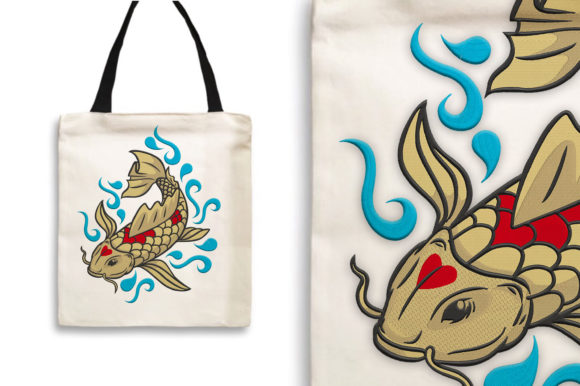
- Tote Bag Design: Canvas totes are staples at every market. A centered pineapple embroidery creates an instant bestseller. It is large enough to showcase the stitch detail but simple enough to produce in batches.
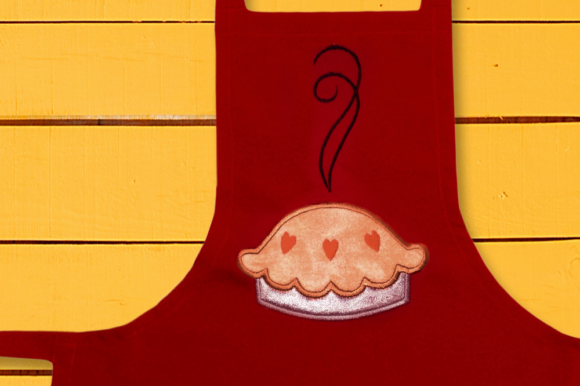
- Apron Embroidery: Kitchen linens are evergreen sellers. An apron with a cheerful pineapple adds personality to a utilitarian item, increasing its perceived value as a gift.
- Tea Towel Embroidery: These are excellent impulse buys. Because they are smaller, they require less thread and time, allowing for a lower price point that encourages multiple purchases.
- Embroidered Patch: If the design scales well, turning it into an iron-on patch allows customers to customize their own jackets or bags. This expands your reach without requiring you to stock varied inventory.
- Caps and Hats: Summer headwear is huge. However, this requires careful placement on curved surfaces to ensure the design does not distort.
For digital sellers, this embroidery file can also be marketed as a key component in design assets for printable mockup creators. Showing how the design looks on various backgrounds helps other crafters visualize their own potential products.
Production Practicality and Batch Efficiency
When preparing for a weekend craft fair, time is your most valuable resource. You need a design that is repeatable. The Cute Pineapple appears to be a standalone motif, which simplifies the hooping process. Unlike complex multi-hoop designs, a single-hoop project reduces setup time significantly.
Photography is another critical factor. This design likely photographs well because of its distinct shape and potential for high-contrast thread colors. Bright yellows, greens, and perhaps a pop of pink or orange will stand out against white, navy, or denim fabrics. For your Etsy listings, ensure you create at least one real mockup on a textured fabric to show buyers the tangible quality of the stitch work.
However, we must address the technical details. The product description mentions that the machine embroidery design comes with certain features, but it cuts off before specifying file formats or exact stitch counts. As a professional, I advise you to check these details before production. You need to know if the digital embroidery file includes formats compatible with your specific machine. Furthermore, confirm commercial licensing terms. Most designers allow you to sell the finished product, but you must verify this to protect your business.
Technical Considerations and Careful Use
Even the cutest design can fail if executed poorly. Here are my notes on handling Cute Pineapple during production:
- Stitch Density: Check the density settings. If the design is too dense, it may cause puckering on lightweight fabrics like cotton tea towels. If it is too sparse, it may look cheap on heavy canvas totes.
- Fabric Texture: Textured towels can sometimes swallow small details. Ensure the outline of the pineapple remains crisp. If the design has tiny details, test it on a scrap piece of your intended fabric first.
- Thread Colors: Contrast is key. Avoid using yellow thread on white fabric unless the design relies heavily on satin stitches for definition. Dark fabric requires a stabilizer that prevents show-through, so choose your backing wisely.
- Hoop Size: Confirm the required hoop size. If the design is large, ensure you have the appropriate frame. For smaller applications like children’s outfits, you may need to resize the embroidery file, but be cautious. Resizing can alter stitch density and cause thread breaks.
- Stabilizer Choice: Use a cut-away stabilizer for stretchy fabrics like t-shirts and a tear-away for stable woven fabrics like aprons. This ensures the design lays flat and does not distort after washing.
Enhancing Brand Consistency and Buyer Engagement
Incorporating Cute Pineapple into your lineup can strengthen your brand identity if you position it correctly. It signals that your small shop product line is current, seasonal, and attentive to trends. For booth display strength, group all pineapple-themed items together. Create a "Tropical Corner" in your stall. This thematic clustering draws the eye and encourages customers to browse related items, increasing the average order value.
Buyer engagement increases when they can imagine the product in their lives. Use signage that highlights the versatility of the design. Mention that it is perfect for summer picnics, beach trips, or brightening up a kitchen. When customers understand the utility and the emotion behind the handmade product, they are more likely to purchase.
Finally, always test the design on scrap fabric before committing to your final inventory. Check the spacing between elements to ensure no threads overlap incorrectly. Inspect the back of the embroidery to ensure clean trimming and secure knots. These small details define the difference between a hobbyist item and a premium commercial embroidery product.
In conclusion, the Cute Pineapple embroidery design offers a strong blend of aesthetic appeal and practical application. By focusing on high-visibility products like tote bags and aprons, and by paying attention to technical execution, you can turn this digital file into a profitable segment of your craft fair offerings. Remember to verify the specific file details and licensing, then let your creativity and craftsmanship do the rest.