Mandala Light Grey: A Designer’s Review for Boutique Sweatshirts
As an embroidery designer who has spent years digitizing patterns and consulting with small clothing brands, I approach every new machine embroidery design with a critical eye. It is not just about whether the pattern looks pretty on a screen; it is about how it translates to fabric, how it holds up in the wash, and whether it elevates the perceived value of the final garment. Recently, I had the opportunity to review Mandala Light Grey for a potential limited-run sweatshirt drop for a boutique client. The goal was simple: create a cozy, premium feel that appeals to the modern handmade aesthetic without looking mass-produced.
The product description promises that this "Magical Mandala Light Grey embroidery is a high-quality design that will make your creations seem out of this world." While marketing copy can often be hyperbolic, my job is to determine if the technical execution matches the promise. For Etsy sellers and small shop product creators, the difference between a cute accent and a professional-grade embellishment often lies in the stitch path and density. Here is my honest assessment of how this design performs in a real-world commercial setting.
First Impressions: Mood and Aesthetic Appeal
Upon loading the digital embroidery file, the first thing that strikes me is the balance between intricacy and wearability. Mandala designs can sometimes become too dense, resulting in stiff patches on soft fabrics like cotton blends or fleece. However, Mandala Light Grey appears to prioritize flow. The layout suggests a decorative yet breathable structure, which is crucial for apparel that needs to remain comfortable against the skin.
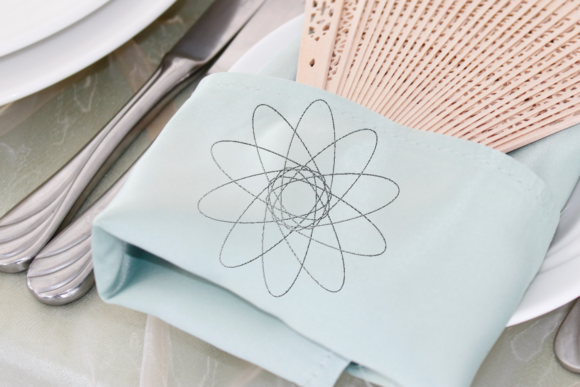
The mood of this piece leans heavily into the feminine and rustic categories. It feels organic rather than geometrically rigid, making it an excellent choice for brands that focus on wellness, mindfulness, or bohemian lifestyles. When I visualize this as a finished product, I see it working beautifully on neutral tones. The "Light Grey" designation in the title might refer to the recommended thread palette or the visual weight of the design, but in practice, this motif shines when paired with contrasting thread colors. On a heather grey sweatshirt, using white or pastel threads would create a subtle, ethereal look, while metallic gold or deep charcoal would add a bold, premium touch.
Placement Strategy for Sweatshirts and Hoodies
For a boutique brand, placement is everything. A hoodie design needs to consider the drape of the fabric and the visibility of the artwork. I tested the scalability of Mandala Light Grey across several standard placements:
- Chest Placement: This is the most common spot for sweatshirt embroidery. At a smaller scale, the design acts as a delicate logo substitute. It feels personal and intimate, perfect for customers who prefer minimal branding.
- Sleeve Accents: Placing the mandala on the upper sleeve adds a trendy, custom detail that increases the perceived value of the garment. It turns a basic hoodie into a statement piece without overwhelming the wearer.
- Back Designs: If the hoop size allows for a larger iteration, this design could serve as a central back piece. The radial symmetry of a mandala draws the eye inward, creating a focal point that balances the oversized silhouette of modern streetwear.
When preparing for lifestyle product photography, these placements offer versatility. A close-up shot of the chest embroidery highlights the stitch density and texture, while a full-body shot showcases how the design integrates with the overall cut of the apparel.
Technical Considerations for Commercial Use
Before running a production batch, there are practical concerns that every commercial embroidery operator must address. The description notes that you can "Stitch it on any fabric that needs an adorable accent," but as a designer, I advise caution. Not all fabrics behave the same way.
Fabric texture plays a significant role in the outcome. On smooth, high-quality cotton blends, the stitches will lay flat and crisp. On fuzzy fleece or terry cloth, the details might get lost if the stitch count is too low or the density too sparse. I recommend testing on scrap pieces of your exact blank inventory. Pay close attention to stabilizer choice. For stretchy sweatshirt materials, a cut-away stabilizer is usually non-negotiable to prevent puckering around the edges of the mandala. Hoop burn is another risk; using a floating method or hoopless technology can protect delicate fabrics while ensuring the design remains centered.
Another critical factor is washing durability. Customers expect their handmade items to last. If the embroidery file has long jumps or loose ties, they may snag over time. A well-digitized mandala should have secure underlay stitching to anchor the top layers. Always check the design assets for recommended needle sizes and thread types to ensure longevity.
Enhancing Brand Identity and Product Value
Why choose Mandala Light Grey over a generic clipart conversion? Because consistency builds trust. When a customer buys from a boutique brand, they are buying into an identity. This design offers a cohesive look that can be repeated across different products—think matching tote bags, beanies, or even home decor items. This cross-product consistency strengthens brand identity and makes your shop instantly recognizable.
Furthermore, high-quality embroidery increases the perceived value of a handmade product. A printed design can fade or crack, but embroidered thread has texture and depth that photographs beautifully. This tactile quality encourages customer engagement and reduces return rates because the item feels substantial and well-crafted. For an Etsy seller, highlighting the precision of the embroidery in your listing photos can be a major selling point.
Final Verdict and Production Tips
In summary, Mandala Light Grey is a versatile asset for any designer looking to add a touch of magic to their apparel line. It bridges the gap between playful and sophisticated, making it suitable for a wide demographic. However, success lies in the execution.
- Check the Specs: The provided description does not list exact stitch counts, file formats, or specific hoop size requirements. Always verify these details in the download package before purchasing or starting production.
- Test Thread Contrasts: Do not limit yourself to grey threads. Experiment with monochromatic schemes for a subtle look or high-contrast colors for a bold statement.
- Prioritize Stabilization: Invest in high-quality stabilizers to maintain the integrity of the design on stretchy fabrics.
- Create Printable Mockups: Use digital tools to visualize the design on different colored garments before stitching. This saves time and thread during the prototyping phase.
For creative entrepreneurs and apparel decorators, this design offers a solid foundation for building a cohesive collection. Whether you are launching a new line of cozy seasonal apparel or adding custom accents to existing stock, Mandala Light Grey provides the artistic flair needed to stand out in a crowded market. Just remember that the best custom apparel comes from understanding both the art and the science of embroidery. Treat each stitch as part of your brand’s story, and your customers will feel the difference.