Rose Gold Border: A Designer’s Review for Brand Merch
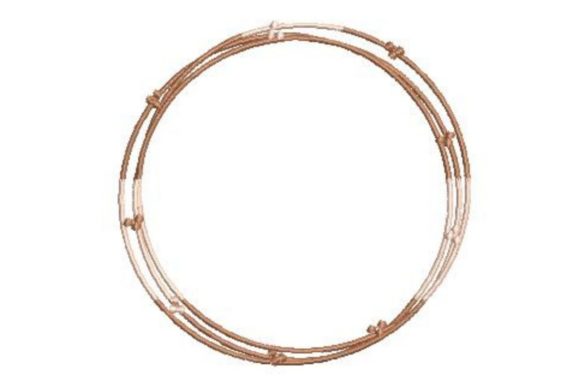
As an embroidery designer who has spent years helping small businesses translate their visual identity into thread, I approach every new machine embroidery design with a critical eye. It is not just about whether a pattern looks pretty on a screen; it is about how it performs on fabric, how it holds up in the wash, and most importantly, how it elevates a brand. Recently, I reviewed the Rose Gold Border, a round border design marketed as artistically crafted to add a professional touch to embroidery projects. Here is my honest assessment of its potential for small business merchandise, branded patches, and custom apparel.
First Impressions: Visual Personality and Brand Fit
The title Rose Gold Border immediately suggests a specific aesthetic. In the world of design assets, rose gold implies warmth, modern elegance, and a touch of luxury without being overly ostentatious. When I loaded the file, the round shape offered a classic, contained structure that is incredibly versatile. Unlike open-ended motifs, a closed circular border creates a sense of completeness and unity, which is psychologically appealing for logos and badges.
This design feels both professional and friendly. It avoids the rigidity of corporate minimalism while steering clear of the chaos often found in overly decorative rustic styles. For boutique owners, florists, bakeries, or creative studios, this border strikes a balance between handmade charm and polished presentation. It signals to the customer that care was taken in the creation of the product, which is essential for building trust in the handmade market.
Real-World Applications for Small Business Merch
The true test of any digital embroidery file is its versatility across different products. I evaluated how the Rose Gold Border would perform in several common small business scenarios.
- Embroidered Patches: This is perhaps the strongest use case. A round border naturally lends itself to patch creation. Whether used as a standalone badge or a frame for a business logo, the circular shape is iconic and easily recognizable. It works exceptionally well for staff uniforms in cafes or boutiques, creating a cohesive team look.
- Cap Embroidery: Placing a round design on the front panel of a cap requires precision. The Rose Gold Border can serve as an excellent accent around a central initial or icon. However, due to the curved surface of a cap, the design must be scaled correctly to avoid distortion.
- Tote Bag Design: For eco-friendly brands and markets, tote bags are a staple. Using this border as a central feature or a corner accent adds a premium feel to a simple canvas bag. It transforms a generic item into a branded statement piece.
- Apron Embroidery: For bakeries, florists, and craft workshops, branded aprons are powerful marketing tools. The border can be placed on the chest pocket or the upper back, offering a subtle yet professional identifier that withstands daily wear.
Technical Considerations and Stitch Density
While the artistic intent is clear, practical execution is where many designs fail. As a designer, I always advise checking the stitch density before running a production batch. A "rose gold" aesthetic often relies on smooth gradients or satin stitches to mimic the metallic sheen of the actual metal. If the stitch density is too high, the fabric may pucker, especially on lighter materials like cotton tote bags or thin uniform shirts.
Conversely, if the density is too low, the underlying fabric might show through, breaking the illusion of a solid, premium border. I recommend testing the embroidery file on a scrap piece of the exact fabric you intend to use. Pay close attention to the connection points of the round border. Are there visible jumps or loose threads? A professional finished product should have clean transitions.
Another critical factor is the hoop size. Since the description mentions multiple file formats, ensure you select the version that fits your machine’s hoop without unnecessary resizing, which can alter stitch integrity. Always use an appropriate stabilizer. For stretchy fabrics like performance wear or knits, a cut-away stabilizer is non-negotiable to maintain the shape of the round border over time.
Color Strategy and Thread Selection
The name Rose Gold Border suggests a specific color palette, but in embroidery, we are limited by thread availability. To achieve the rose gold effect, you may need to blend shades of pink, copper, and light beige. I suggest creating a printable mockup first to visualize how these thread colors interact with your base fabric.
For dark uniforms, such as navy or black aprons, standard rose gold threads might not pop enough. In these cases, consider using a metallic thread if your machine supports it, or opt for a lighter, contrasting shade to ensure visibility. On light fabrics, a deeper copper tone might provide better definition. Remember, thread colors define the perception of quality. Muddy or mismatched tones can make even the best design look amateurish.
Where to Use Caution
Not every application is suitable for this design. I would advise against using the Rose Gold Border at very small sizes, such as on a tiny label or a small chest logo on a fitted shirt. At reduced scales, the intricate details of an "artistically designed" border can merge into a blob, losing its definition. Similarly, avoid placing it on highly textured fabrics like thick wool or terry cloth unless you are using a heavy-duty stabilizer and larger needle, as the texture can obscure the fine lines of the border.
Additionally, be mindful of items that undergo frequent, harsh washing. While embroidery is durable, complex borders with high stitch counts can eventually fray if not properly secured. For workwear that sees heavy abuse, a simpler, bolder version of the border might be more practical.
Enhancing Brand Identity and Customer Trust
Ultimately, the goal of using a design like the Rose Gold Border is to strengthen brand identity. Consistency is key. If this border becomes a signature element of your small business merch, customers will begin to associate that specific shape and color scheme with your quality. It adds a layer of visual consistency across different products, from caps to tote bags.
For Etsy sellers and crafters, offering items with this distinctive border can increase perceived value. It signals that the item is not mass-produced but carefully crafted. This emotional connection drives buyer engagement and loyalty. When a customer wears a patch or carries a bag with a well-executed, elegant border, they become walking ambassadors for your brand.
Final Designer Notes
Before committing to a large run of commercial embroidery, take these steps:
- Test in Black and White: Remove color from your view to check the structural integrity of the design. If it looks good in monochrome, it will look great in color.
- Check Licensing: The product description notes it comes with multiple file formats. Ensure you have the correct commercial license for selling physical goods made with this design.
- Compare Assets: Place the Rose Gold Border next to your existing logo and fonts. Does it complement them, or does it compete for attention?
- Client Approval: If you are designing for a client, always provide a stitched sample or a high-quality digital mockup for approval before finalizing the job.
In conclusion, the Rose Gold Border is a strong contender for businesses looking to add a touch of refined elegance to their merchandise. With careful attention to stitch density, thread selection, and fabric choice, it can become a cornerstone of your custom apparel and accessory line. It is not just a border; it is a frame for your brand’s story.